

Professional Carpenter
A professional carpenter is more than just a skilled craftsman; they are an artist who transforms raw wood into functional and beautiful pieces. With a keen eye for detail, precision, and creativity, a professional carpenter combines traditional techniques with modern tools to bring designs to life. Whether crafting custom furniture, intricate cabinetry, or structural woodwork, their expertise ensures both durability and aesthetic appeal. Beyond technical skills, a professional carpenter understands the importance of planning, measurement, and safety, making their work both reliable and efficient. In today’s world, where quality craftsmanship is highly valued, professional carpenters play a crucial role in shaping homes, offices, and public spaces, turning simple ideas into tangible, lasting creations.
Skills and Expertise: What Makes a Carpenter Professional
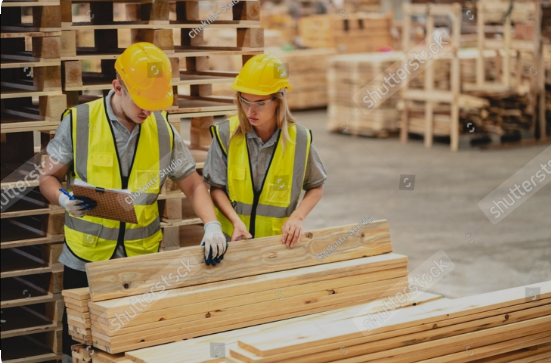
A professional carpenter’s work is defined by a unique combination of skills, expertise, and experience. At the core, precision and attention to detail set them apart, allowing them to measure, cut, and assemble wood accurately to meet the highest standards. Beyond technical ability, creativity plays a vital role, as carpenters often transform simple designs into functional and aesthetically pleasing pieces.
Knowledge of different wood types, their properties, and the best techniques for joining, shaping, and finishing materials ensures durability and quality in every project. A professional carpenter is also highly adaptable, capable of using both traditional hand tools and modern power tools efficiently. Problem-solving skills are crucial, as unforeseen challenges frequently arise during construction or restoration work.
Additionally, strong communication and planning skills enable them to understand client needs and execute projects seamlessly. Ultimately, a professional carpenter combines craftsmanship, knowledge, and precision, creating work that is both practical and beautifully designed.
Tools of the Trade: Essential Equipment for Precision Work
For a professional carpenter, having the right tools is essential to achieve precision, efficiency, and high-quality results. Basic hand tools such as hammers, chisels, screwdrivers, and saws form the foundation of every woodworking project, allowing careful shaping and assembly of wood pieces. Power tools, including drills, sanders, planers, and circular saws, significantly enhance productivity and accuracy, especially for larger or more complex tasks.
Measuring and marking tools, like tape measures, squares, and levels, are crucial for ensuring precise dimensions and alignment, which directly impact the final product’s quality. Clamps and vises hold materials securely, enabling safe and stable cutting, drilling, or gluing.
Additionally, finishing tools, such as brushes, scrapers, and polishers, allow carpenters to refine surfaces and bring out the natural beauty of the wood. A skilled carpenter knows not only how to use each tool effectively but also how to maintain and store them properly, ensuring safety and long-lasting performance.
Custom Furniture: Turning Ideas into Reality
Custom furniture is where a professional carpenter’s creativity and skill truly shine. Unlike mass-produced pieces, custom furniture is tailored to meet the unique needs, preferences, and style of each client. From conceptual design to the final finishing touches, a carpenter transforms ideas into functional, beautiful pieces that complement any space.
This process begins with understanding the client’s vision, selecting the right type of wood, and planning the design with precise measurements. Skilled carpenters then use a combination of traditional techniques and modern tools to cut, shape, and assemble each piece, ensuring durability and aesthetic appeal.
Finishing touches, such as sanding, staining, or polishing, enhance the natural beauty of the wood and create a refined, lasting product. Custom furniture not only reflects personal taste but also maximizes space and functionality, turning ordinary rooms into distinctive, inviting environments. For homeowners and businesses alike, these personalized creations combine artistry, craftsmanship, and practicality.
Woodworking Techniques: From Traditional to Modern
Woodworking techniques have evolved significantly, blending traditional craftsmanship with modern innovations to meet today’s design and quality standards. Traditional methods, such as hand carving, joinery, and chiseling, remain essential for creating detailed, intricate designs that require precision and artistry.
These techniques emphasize patience, skill, and a deep understanding of wood properties, producing timeless pieces that reflect craftsmanship at its finest. On the other hand, modern woodworking incorporates advanced tools and technology, including CNC machines, power saws, and digital measuring devices, allowing carpenters to achieve higher accuracy and efficiency. Modern techniques also enable the use of engineered wood, laminates, and composite materials, expanding design possibilities and durability.
A professional carpenter skillfully combines these approaches, selecting the right method for each project to balance aesthetics, strength, and functionality. By integrating both traditional and modern techniques, woodworking becomes a dynamic craft, producing furniture and structures that are both innovative and enduring, satisfying the demands of contemporary living spaces.
Safety First: Maintaining a Secure Work Environment
Safety is a top priority in any professional carpentry workshop. Working with sharp tools, heavy materials, and power equipment presents potential risks that must be carefully managed. A secure work environment begins with proper organization, ensuring that tools and materials are stored safely and walkways remain clear.
Carpenters should always wear appropriate protective gear, including gloves, safety glasses, ear protection, and dust masks, to prevent injuries. Understanding and following safety procedures when using machinery, such as saws, drills, and sanders, is essential to avoid accidents. Regular maintenance of tools and equipment also reduces hazards and ensures reliable performance.
By prioritizing safety, professional carpenters protect themselves and their colleagues while maintaining efficiency and focus. A culture of safety not only prevents accidents but also contributes to higher-quality craftsmanship and consistent project success.
Planning and Design: Bringing Projects to Life
Planning and design are fundamental aspects of professional carpentry, turning ideas into well-executed projects. A successful carpenter begins by understanding the client’s vision, needs, and preferences, ensuring that every piece is both functional and aesthetically pleasing. Detailed planning involves selecting the right materials, determining precise measurements, and creating sketches or digital designs to visualize the final product.
This stage also considers structural integrity, ergonomics, and spatial efficiency, ensuring that the furniture or woodwork fits perfectly within its intended environment. Skilled carpenters anticipate potential challenges, such as wood movement or complex joinery, and develop strategies to address them before construction begins. By combining careful planning with creative design, carpenters streamline the building process, reduce errors, and save time. Ultimately, thorough planning and thoughtful design result in high-quality, durable, and visually appealing woodwork that meets or exceeds client expectations, reflecting both craftsmanship and professionalism.
Maintenance and Care of Woodworking Tools
Proper maintenance and care of woodworking tools are essential for a professional carpenter to ensure precision, safety, and longevity. Regular cleaning prevents the buildup of sawdust, resin, and debris that can affect tool performance and accuracy. Sharpening blades, chisels, and cutting edges keeps them effective and reduces the risk of accidents caused by dull tools.
Lubrication of moving parts in machinery, such as drills, planers, and saws, ensures smooth operation and prevents wear and tear. Inspecting tools periodically for damage or loose components allows carpenters to address issues before they become serious problems. Proper storage, including keeping hand tools in organized racks and power tools in secure cabinets, protects them from moisture, corrosion, and accidental damage.
By maintaining tools meticulously, professional carpenters enhance efficiency, produce higher-quality work, and extend the lifespan of their equipment. Ultimately, disciplined care of tools reflects professionalism, responsibility, and dedication to the craft.
conclusion
In conclusion, the work of a professional carpenter represents a perfect blend of skill, creativity, and precision. From mastering essential tools and techniques to planning, designing, and crafting custom furniture, carpenters transform raw materials into functional and beautiful creations. Their dedication to quality, safety, and continuous learning ensures that every project meets high standards and exceeds client expectations. Whether working with traditional methods or modern technology, professional carpenters bring ideas to life while enhancing the spaces they design. Their craft not only adds value to homes and workplaces but also preserves the timeless art of woodworking. For anyone seeking durable, personalized, and aesthetically pleasing woodwork, the expertise of a professional carpenter remains unmatched, turning visions into tangible, lasting reality.
What does a professional carpenter do?
A professional carpenter designs, builds, and repairs wooden structures and furniture. They use a combination of traditional and modern techniques to create functional and aesthetically pleasing woodwork for homes, offices, and public spaces.
What skills are essential for a professional carpenter?
Key skills include precision, attention to detail, creativity, knowledge of different wood types, proficiency with hand and power tools, problem-solving, and effective planning and design abilities.
What tools does a professional carpenter use?
Carpenters use hand tools such as chisels, hammers, saws, and screwdrivers, as well as power tools like drills, sanders, planers, and CNC machines. Measuring tools, clamps, and finishing equipment are also essential.




0 comments