
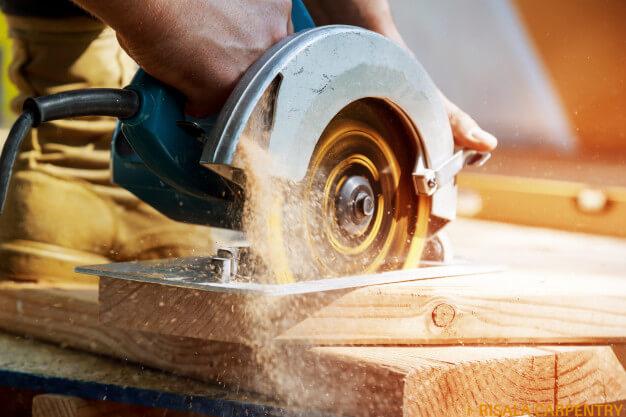
Wood Work
Woodwork is a timeless craft that combines creativity, skill, and precision to transform raw timber into functional and artistic pieces. From building sturdy furniture to intricate decorative items, woodworking allows artisans to express their craftsmanship while meeting practical needs. This versatile art form spans traditional hand tools and modern machinery, blending age-old techniques with contemporary innovations. Whether you are a professional carpenter or a hobbyist, exploring woodwork opens up endless possibilities for creating unique and personalized projects. In addition to its aesthetic appeal, woodworking fosters patience, attention to detail, and problem-solving skills, making it both a rewarding and educational pursuit.

Essential Tools and Equipment for Woodworking
Woodworking requires a combination of the right tools and equipment to achieve precision, efficiency, and quality in every project. Essential hand tools include hammers, chisels, saws, screwdrivers, and measuring instruments, which allow for detailed work and fine adjustments. Power tools such as drills, routers, sanders, and circular saws significantly speed up processes and handle more complex tasks with accuracy.
Workbenches, clamps, and vises provide stability and control, ensuring safety while cutting, shaping, or assembling wood. Additionally, protective gear such as gloves, goggles, and dust masks is crucial to safeguard against potential hazards.
For specialized projects, tools like lathes, planers, and jointers help achieve professional-level finishes and intricate designs. Investing in high-quality tools not only improves the quality of workmanship but also enhances efficiency and reduces fatigue. Whether for hobbyists or professional carpenters, understanding and using the right tools is the foundation of successful woodworking.
Techniques for Precision and Accuracy
Achieving precision and accuracy is fundamental in woodworking, ensuring that each piece fits perfectly and functions as intended. One key technique is careful measurement using rulers, calipers, squares, and marking gauges to plan cuts and joints accurately. Consistent marking and double-checking dimensions before cutting prevent errors and material waste.
Proper use of tools also contributes to precision; for example, guiding saws along marked lines, adjusting power tools carefully, and maintaining sharp blades improves cutting accuracy. Clamping pieces securely during cutting, drilling, or sanding ensures stability and reduces the risk of misalignment. Techniques like using templates, jigs, and guides help replicate repetitive cuts and complex shapes consistently.
Woodworkers also develop patience and a steady hand, refining their skills over time. By combining the right tools, careful planning, and practiced techniques, craftsmen can achieve precise, professional-quality results, turning even challenging woodworking projects into successful creations.
Custom Furniture: Turning Ideas into Reality
Custom furniture allows homeowners and designers to bring their unique visions to life, blending functionality with personal style. Unlike mass-produced pieces, custom furniture is tailored to fit specific spaces, preferences, and needs, making every creation truly one-of-a-kind. The process begins with careful planning, including measurements, material selection, and design sketches, ensuring the final piece aligns perfectly with the intended space.
Skilled woodworkers use a combination of traditional craftsmanship and modern techniques to transform raw wood into beautiful, durable furniture, whether it’s tables, cabinets, chairs, or beds. Attention to detail, precise joinery, and thoughtful finishes enhance both aesthetics and functionality.
Custom furniture also allows for creative experimentation with shapes, textures, and colors, resulting in pieces that reflect individual personality and taste. Investing in custom furniture not only adds elegance and character to a home but also provides practical solutions, ensuring comfort, durability, and timeless appeal for years to come.
Wood Finishing: From Sanding to Polishing
Wood finishing is a crucial step in woodworking, transforming raw pieces into smooth, durable, and visually appealing creations. The process typically begins with sanding, which removes rough surfaces, scratches, and imperfections, creating a uniform texture ready for finishing.
Different grades of sandpaper are used progressively, starting coarse and moving to fine, to achieve optimal smoothness. After sanding, sealing and staining enhance the wood’s natural beauty, highlighting its grain and adding depth and color. Protective coatings, such as varnish, lacquer, or oil, not only improve appearance but also shield the wood from moisture, wear, and environmental damage.
Polishing is the final step, bringing a rich, glossy finish that elevates the piece’s overall aesthetic. Attention to detail, patience, and proper technique are essential throughout the finishing process to ensure even application and long-lasting results. A well-finished piece of woodwork combines elegance, protection, and craftsmanship, making it both functional and beautiful.
Organizing Your Woodshop for Maximum Efficiency
An organized woodshop is key to productive and enjoyable woodworking. Efficient layout and storage minimize wasted time, reduce accidents, and improve workflow. Start by arranging tools and equipment based on frequency of use, keeping commonly used items within easy reach.
Workbenches should be clear of clutter, with dedicated spaces for hand tools, power tools, and materials. Wall-mounted racks, pegboards, and shelving units help maximize vertical space while keeping the floor area open and safe. Proper labeling of tools, hardware, and supplies ensures quick access and reduces frustration.
Establishing designated zones for cutting, sanding, assembly, and finishing improves workflow and prevents cross-contamination of dust or finishes. Additionally, implementing a routine for cleaning and maintenance keeps machines in top condition and prolongs their lifespan. By thoughtfully organizing a woodshop, craftsmen can focus on creativity and precision, turning projects into seamless, efficient, and satisfying experiences.
Safety Tips for a Safe Woodworking Environment
Safety is paramount in woodworking, where sharp tools, heavy machinery, and flying debris pose potential risks. Wearing appropriate protective gear, such as safety goggles, gloves, ear protection, and dust masks, helps prevent injuries and long-term health issues. Keeping the workspace clean and well-lit reduces the chances of accidents caused by tripping over tools or materials.
Proper handling and storage of tools, including securing power tools when not in use, is essential to avoid mishaps. Understanding and following the manufacturer’s instructions for each machine ensures safe operation. Using clamps and vises to stabilize workpieces prevents slips while cutting or sanding.
Additionally, maintaining sharp blades and functional equipment reduces accidents caused by tool malfunction. Establishing a habit of focusing fully on the task at hand and avoiding distractions further enhances safety. By implementing these precautions, woodworkers create a secure environment, allowing them to work confidently while producing high-quality, precise, and creative projects.
Inspiring Projects for Beginners and Experts
Woodworking offers endless opportunities for creativity, catering to both beginners and experienced craftsmen. For beginners, simple projects like cutting boards, small shelves, or birdhouses provide a manageable introduction while building essential skills in measuring, cutting, and assembling. These projects offer immediate satisfaction and a sense of accomplishment, motivating newcomers to explore more advanced techniques.
Experienced woodworkers can challenge themselves with intricate furniture, decorative carvings, or custom cabinetry that require precision, advanced joinery, and creative design. Seasonal or personalized projects, such as gift items, unique home décor, or heirloom-quality pieces, allow artisans to combine functionality with artistic expression.
Engaging in a variety of projects not only sharpens technical skills but also inspires innovation and problem-solving. By exploring both simple and complex projects, woodworkers at all levels can enjoy the satisfaction of turning raw materials into functional and beautiful creations, continually improving their craft while expressing individuality and creativity.
Maintenance and Care of Woodworking Tools
Proper maintenance and care of woodworking tools are essential for safety, efficiency, and longevity. Regular cleaning removes sawdust, resin, and debris that can impair tool performance or cause wear over time. Sharpening blades, chisels, and drill bits ensures precise cuts and reduces the risk of accidents caused by dull tools. Lubricating moving parts on power tools and checking electrical cords prevents malfunctions and extends equipment life.
Storing tools correctly—whether in racks, cabinets, or toolboxes—protects them from moisture, rust, and accidental damage. Routine inspections help identify potential issues early, such as loose screws, worn parts, or misaligned components, allowing for timely repairs.
Maintaining a clean and organized workspace further supports tool care by preventing unnecessary wear and minimizing hazards. By dedicating time to proper upkeep, woodworkers not only enhance the performance and accuracy of their tools but also ensure a safer, more productive, and satisfying woodworking experience.
conclusion
In conclusion, woodworking is more than just a craft—it is an art that combines creativity, skill, and precision. From selecting the right tools and mastering essential techniques to creating custom furniture and finishing pieces to perfection, every step reflects dedication and craftsmanship. A well-organized workspace, attention to safety, and proper maintenance of tools enhance efficiency and ensure successful outcomes. Whether you are a beginner exploring simple projects or an expert tackling complex designs, woodworking offers endless opportunities for innovation, personal expression, and satisfaction. The joy of transforming raw wood into functional and beautiful pieces provides both practical value and artistic fulfillment. By embracing the principles, techniques, and safety measures discussed, anyone can cultivate their woodworking skills and experience the rewarding process of turning ideas into tangible, lasting creations that stand the test of time.
What is woodworking
Woodworking is the craft of shaping, cutting, and assembling wood to create functional or decorative items, including furniture, cabinets, and art pieces.
What are the essential tools for woodworking
Essential tools include hand tools like hammers, chisels, saws, and measuring devices, as well as power tools like drills, sanders, and routers. Safety gear is also crucial.
How can beginners start woodworking?
Beginners can start with simple projects like cutting boards, small shelves, or birdhouses, gradually learning basic techniques, measurement, and assembly skills.




0 comments