
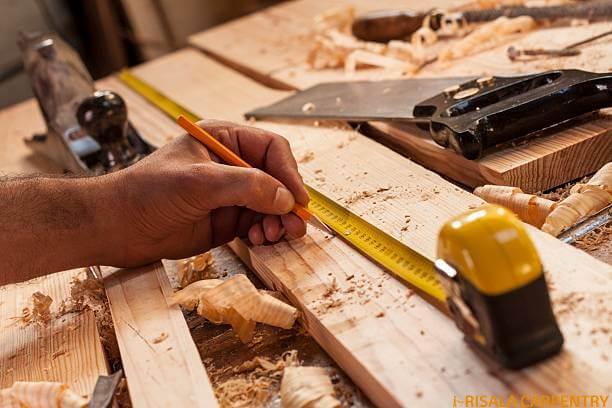
Woodwork shop
A woodwork shop is more than just a place where timber is shaped and crafted; it is a hub of creativity, skill, and precision. From designing custom furniture to creating intricate decorative pieces, woodworkers transform raw materials into functional art. The charm of a woodwork shop lies not only in the tools and machines but also in the craftsmanship and dedication of the artisans. Whether you are a hobbyist exploring woodworking for the first time or a professional seeking inspiration, a woodwork shop offers endless possibilities to bring ideas to life. This article explores the essential aspects of a woodwork shop, its tools, techniques, and the artistry involved in turning simple wood into timeless creations.
Essential Tools Every Woodwork Shop Should Have
A well-equipped woodwork shop relies on a combination of essential tools that ensure both efficiency and precision. At the heart of every shop are hand tools, such as chisels, hammers, screwdrivers, and measuring instruments like tape measures and squares, which allow for detailed craftsmanship and fine adjustments.
Power tools, including table saws, drills, sanders, and routers, significantly speed up the cutting, shaping, and finishing processes, making complex projects more manageable. Clamps and vises are indispensable for holding materials securely in place during work, while workbenches provide a stable surface for assembling and finishing pieces. S
afety equipment, such as goggles, ear protection, and dust masks, is equally critical to protect woodworkers from potential hazards. Additionally, sharpening tools and proper storage solutions help maintain equipment in optimal condition, prolonging their lifespan and ensuring smooth operation. Together, these essential tools form the backbone of any productive and organized woodwork shop.
Choosing the Right Wood for Your Projects
- Understand Wood Types: Differentiate between hardwoods (oak, maple, cherry) for durability and softwoods (pine, cedar) for lightweight projects.
- Consider Project Purpose: Choose sturdy woods for furniture and durable surfaces, lighter woods for decorative items or small crafts.
- Check Grain and Texture: Wood grain affects appearance and workability; straight grains are easier to shape, while intricate grains add aesthetic appeal.
- Evaluate Moisture Content: Ensure wood is properly dried to prevent warping or cracking over time.
- Think About Finish: Some woods absorb stains and finishes better, affecting the final look of your project.
- Budget Considerations: High-quality hardwoods cost more, so balance cost with project requirements.
- Sustainability: Opt for responsibly sourced or eco-friendly wood to reduce environmental impact.


Safety First: Guidelines for a Safe Woodworking Environment
Safety is a top priority in any woodwork shop, as the combination of sharp tools, heavy machinery, and fine wood particles can create hazardous conditions. Proper protective gear is essential; this includes safety goggles to shield the eyes from flying debris, ear protection to prevent hearing damage from loud machinery, and dust masks or respirators to reduce inhalation of wood dust. Organizing the workspace is equally important—keeping tools properly stored, floors clear of obstructions, and cords neatly arranged helps prevent accidents.
Woodworkers should also follow correct operating procedures for each tool, ensuring machines are used only for their intended purposes. Regular maintenance of equipment, such as sharpening blades and checking for defects, reduces the risk of malfunction. Adequate lighting and ventilation further contribute to a safe environment, allowing precise work and reducing fatigue. By prioritizing these safety measures, artisans can focus on creativity without compromising well-being.
Techniques and Tips for Precision Woodworking
Precision is the hallmark of quality woodworking, and mastering the right techniques ensures every project meets high standards. Accurate measuring and marking are the foundation of precise cuts, so using reliable tools like squares, calipers, and measuring tapes is essential.
Always double-check measurements before cutting to avoid costly mistakes. Proper use of hand tools, such as chisels and planes, allows for detailed shaping and clean edges, while power tools like table saws and routers provide consistent results when set correctly. Maintaining sharp blades and bits improves cutting accuracy and reduces splintering.
Clamping pieces securely prevents movement during work, ensuring straight cuts and tight joints. Additionally, sanding in stages—from coarse to fine grit—refines surfaces for a flawless finish. By combining careful planning, attention to detail, and consistent practice, woodworkers can achieve precise, professional-quality results that reflect both skill and dedication.
Custom Furniture: Turning Ideas into Reality
- Personalized Design: Tailor furniture to fit your space, style, and functional needs.
- Unique Materials: Choose from a variety of woods, finishes, and hardware to reflect individual taste.
- Functional Solutions: Create pieces that maximize storage, comfort, and usability.
- Collaborative Process: Work with designers or woodworkers to bring ideas to life.
- Quality Craftsmanship: Custom furniture often involves meticulous attention to detail for durability and aesthetics.
- Versatility: Ideal for both modern and traditional interiors, allowing flexibility in design choices.
- Investment Value: Well-crafted custom pieces can become heirlooms, combining beauty with long-lasting utility.
Wood Finishing: From Sanding to Polishing
Wood finishing is the final step that transforms a crafted piece into a polished, professional-looking product. The process begins with sanding, which smooths the surface, removes imperfections, and prepares the wood to absorb stains or finishes evenly.
Starting with coarse-grit sandpaper and gradually moving to finer grits ensures a flawless texture. After sanding, applying stains or dyes enhances the natural beauty of the wood grain, adding color and depth. Protective coatings such as varnish, polyurethane, or lacquer shield the wood from moisture, scratches, and daily wear, extending the lifespan of the piece.
Polishing and buffing further refine the surface, giving it a lustrous, smooth finish that highlights craftsmanship. Proper finishing not only improves aesthetics but also strengthens the wood, ensuring durability and resistance to damage. By dedicating time to careful finishing, woodworkers can elevate their creations from functional items to lasting works of art.
Organizing Your Woodwork Shop for Maximum Efficiency
An organized woodwork shop is key to productivity, safety, and smooth project flow. Efficient organization begins with proper layout planning—placing frequently used tools and machines within easy reach while designating specific areas for cutting, assembly, and finishing. Storage solutions such as shelves, tool racks, and cabinets help keep hand tools, power tools, and materials neatly arranged, reducing clutter and minimizing time spent searching for items.
Labeling supplies and maintaining an inventory ensures that essential materials like screws, nails, and adhesives are always available. Workbenches should be clear of unnecessary items, providing ample space for assembling and inspecting projects. Proper lighting and ventilation further enhance efficiency by improving visibility and comfort.
Regular cleanup and maintenance routines prevent dust accumulation, protect tools, and maintain a safe environment. By prioritizing organization, woodworkers can focus more on craftsmanship, reduce errors, and complete projects with greater precision and satisfaction.
Inspiring Projects for Beginners and Experts Alike
A woodwork shop offers endless opportunities for creativity, making it a space where both beginners and experienced craftsmen can explore inspiring projects. For beginners, simple tasks such as building small shelves, birdhouses, or cutting boards provide a hands-on way to learn basic techniques while gaining confidence in using tools safely and accurately.
These projects teach essential skills like measuring, cutting, and assembling while producing functional items for everyday use. Experienced woodworkers, on the other hand, can tackle more complex projects, including custom furniture, intricate carvings, and decorative home accents that challenge their precision and creativity.
Collaborative projects, DIY challenges, or experimenting with new materials and finishes can spark innovation and refine advanced skills. By offering a wide range of projects suitable for all skill levels, a woodwork shop becomes a dynamic environment where learning, creativity, and craftsmanship merge, inspiring artisans to continually improve and expand their abilities.
Maintenance and Care of Woodworking Tools
Proper maintenance and care of woodworking tools are essential for both safety and performance. Regular cleaning removes sawdust, resin, and debris that can accumulate on blades, bits, and hand tools, preventing dulling and ensuring smooth operation. Sharpening cutting edges, whether on chisels, saws, or planer blades, enhances precision and reduces the effort required during work.
Lubricating moving parts and checking for rust or corrosion prolongs the lifespan of machinery and hand tools alike. Storing tools in a dry, organized space protects them from damage and makes them easily accessible when needed. Routine inspections for wear, loose screws, or damaged cords help prevent accidents and costly repairs.
Using tools properly and following manufacturer guidelines also contributes to their longevity. By dedicating time to maintenance, woodworkers can ensure their equipment remains reliable, accurate, and safe, ultimately supporting higher-quality craftsmanship and more efficient workflow in the woodwork shop.
conclusion
In conclusion, a woodwork shop is much more than a workspace—it is a place where creativity, skill, and precision come together to transform raw materials into functional art. From mastering essential tools and choosing the right wood to applying finishing touches and maintaining equipment, every step plays a vital role in achieving high-quality results. A well-organized, safe, and inspiring environment not only enhances productivity but also encourages innovation, whether for beginners learning the craft or experts refining their techniques. By dedicating time to proper planning, practice, and care, woodworkers can turn ideas into beautifully crafted pieces that combine durability, aesthetics, and personal expression. Ultimately, a woodwork shop represents both a practical and artistic sanctuary, where passion meets craftsmanship, and imagination takes tangible form.
What is a woodwork shop?
A woodwork shop is a dedicated space where wood is crafted into furniture, decorative items, or functional pieces using various tools and techniques. It combines creativity, skill, and precision.
What essential tools are needed in a woodwork shop?
Essential tools include hand tools like chisels, hammers, and measuring instruments, power tools such as saws, drills, and sanders, clamps, vises, and safety equipment like goggles and dust masks.
How do I choose the right wood for a project?
Consider the type of wood, its durability, grain, moisture content, finish compatibility, budget, and whether it is sustainably sourced. Hardwoods are ideal for furniture, while softwoods suit decorative projects.




0 comments